
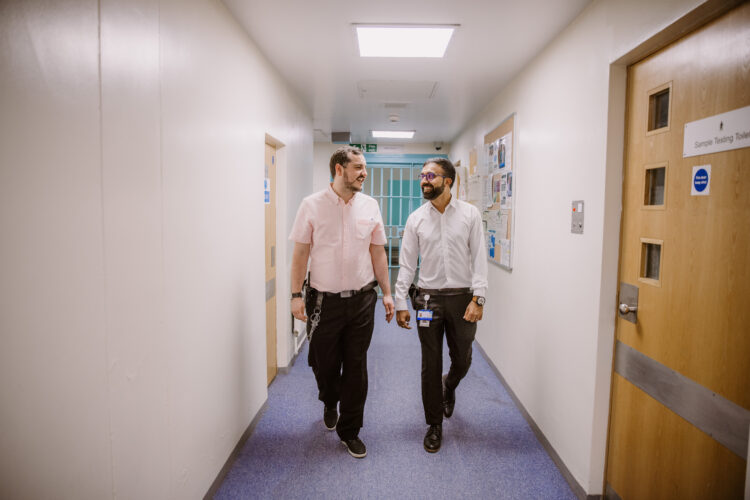
Day in the life: Pharmacy Technician
We sat down with Jignesh Chavda, our Pharmacy Manager in Chelmsford to give some insight about working as a Pharmacy Technician in a prison, what it’s really like working in such an environment and the exciting nature of the role away from a more conventional career path in the industry.
Meet Jignesh
I began my professional career after completing a bachelor’s in microbiology and a postgraduate degree in biomedical science. My first time working in a pharmacy environment was in 2015 and I worked in a community pharmacy for around five to six years. I’ve also had experience of working in a hospital in the dispensary and a ward–based department which also has similarities to other career paths for pharmacy technicians.
In prison, we have a multi-disciplinary team behind us. That really helps to progress and develop your career within the pharmacy world.

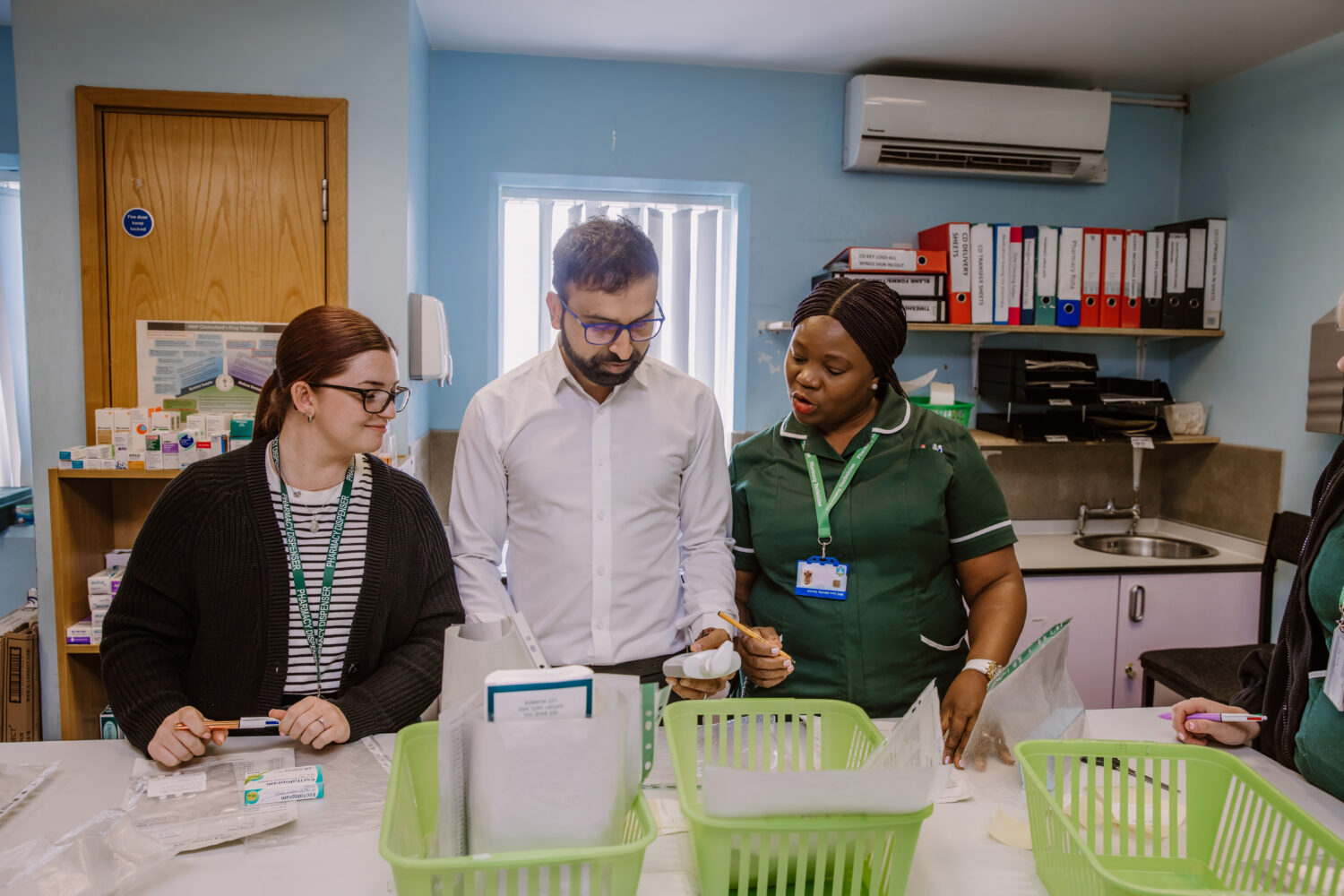
7am
At the start of a 10-hour shift, we dispensed and checked urgent medication, so patients wouldn’t miss their dose required for their treatment. We then had a team briefing before heading onto the wings and discussed the relevant information for the patients on specific wings.
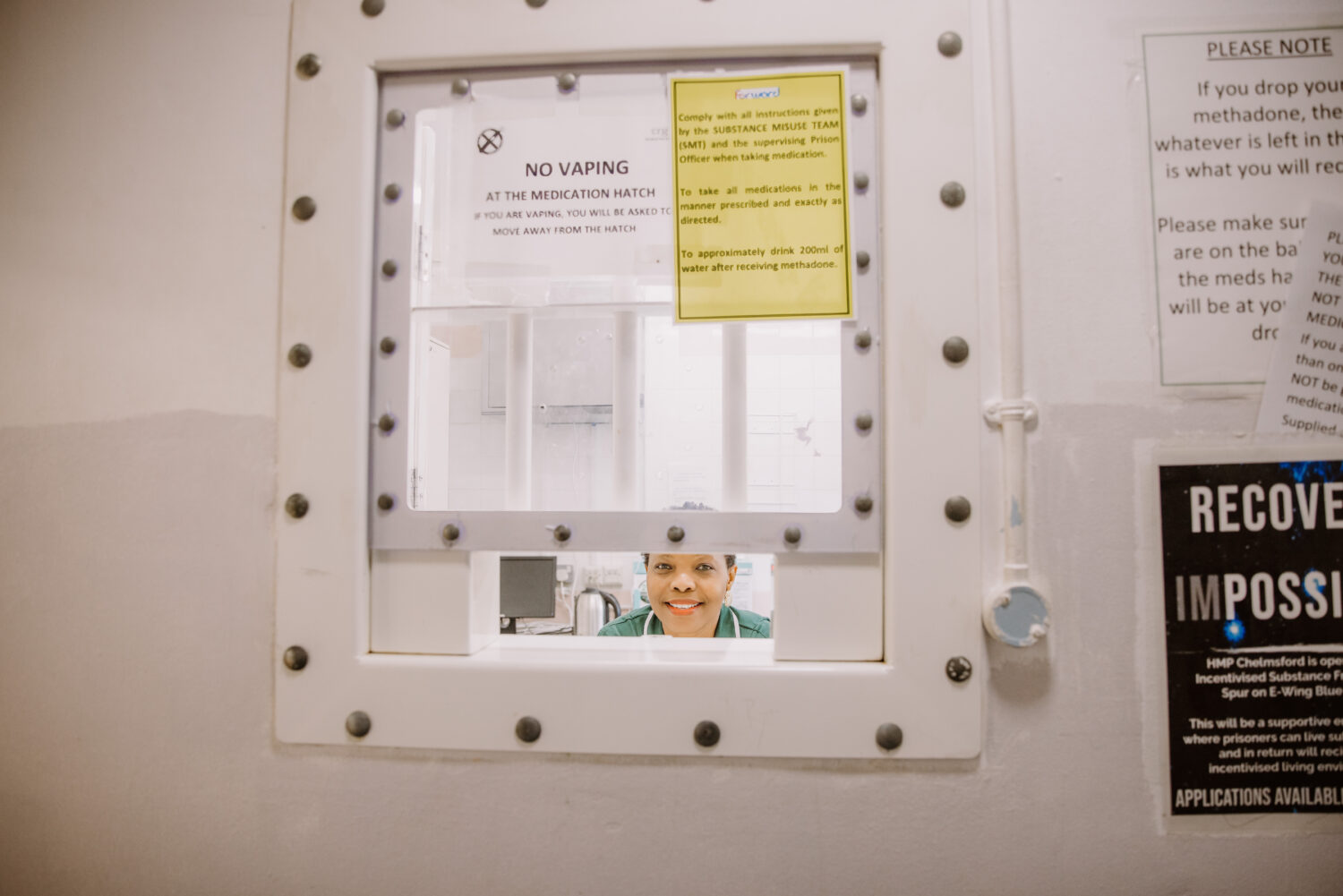
8am
We medicate patients twice a day. So, the main thing we started with in the morning was the first medication round where we dispensed the correct medication to all supervised patients. We did this by matching their ID to their details on the system. We then pulled out the patient record and confirmed what medications and dose the patient needs to be prescribed and dispense the meds by checking the drug chart. Once all required meds are dispensed, we advised patients to take the meds at the meds hatch by giving them a cup of water. We also issued In Possession (IP) medications to the patients as per their risk assessment score.

9am
During the morning medication round, I dealt with a 45-year-old young man with slurred speech and presented his ID for his medication. I noticed he could not stand properly at the meds hatch, had red eyes and couldn’t make conversation. I asked the patient if he was okay before proceeding further, he did not reply and just stood at the meds hatch leaning forward, avoiding eye contact. I checked his healthcare record to see if there were any notes regarding the observation taken by the nurse following the under the influence protocol.
The nurse had documented that the patient was under the influence overnight and he was due to have a second observation taken this morning. This had helped me not to medicate the patient and omit the morning medication for 24 hours as per the protocol.

10am
A 35-year-old young man with asthma then came to the meds hatch and stated he was running low on his inhaler. I then checked the record and noticed that GP had issued repeat template for this inhaler. I informed the patient that he is due to collect his next inhaler in a couple of days’ time as per the drug chart. I then issued the repeat prescription ready for the pharmacists to clinically review and get dispensed in the pharmacy.
What a day looks like

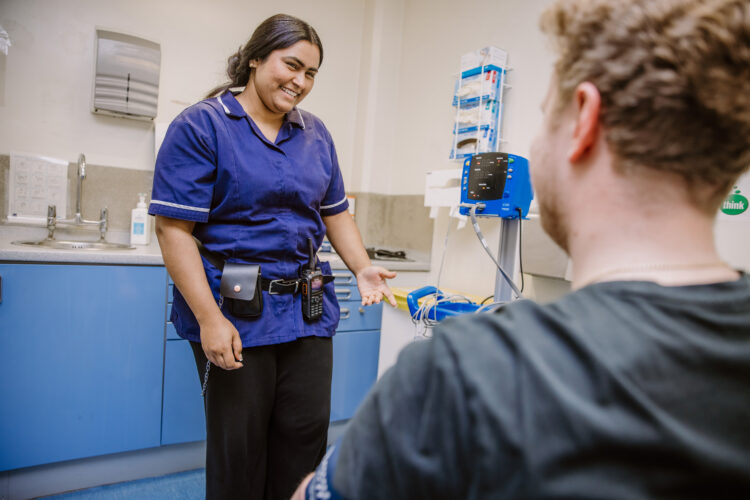


11:30am
We then held another meeting in the morning which consisted of what’s been going on from the morning round and the previous day as well as any clinical needs and backgrounds on the patients in the departments. This is common in a prison environment with complex issues like substance misuse and mental health issues which require further discussions and consequent actions for the other departments.
1pm
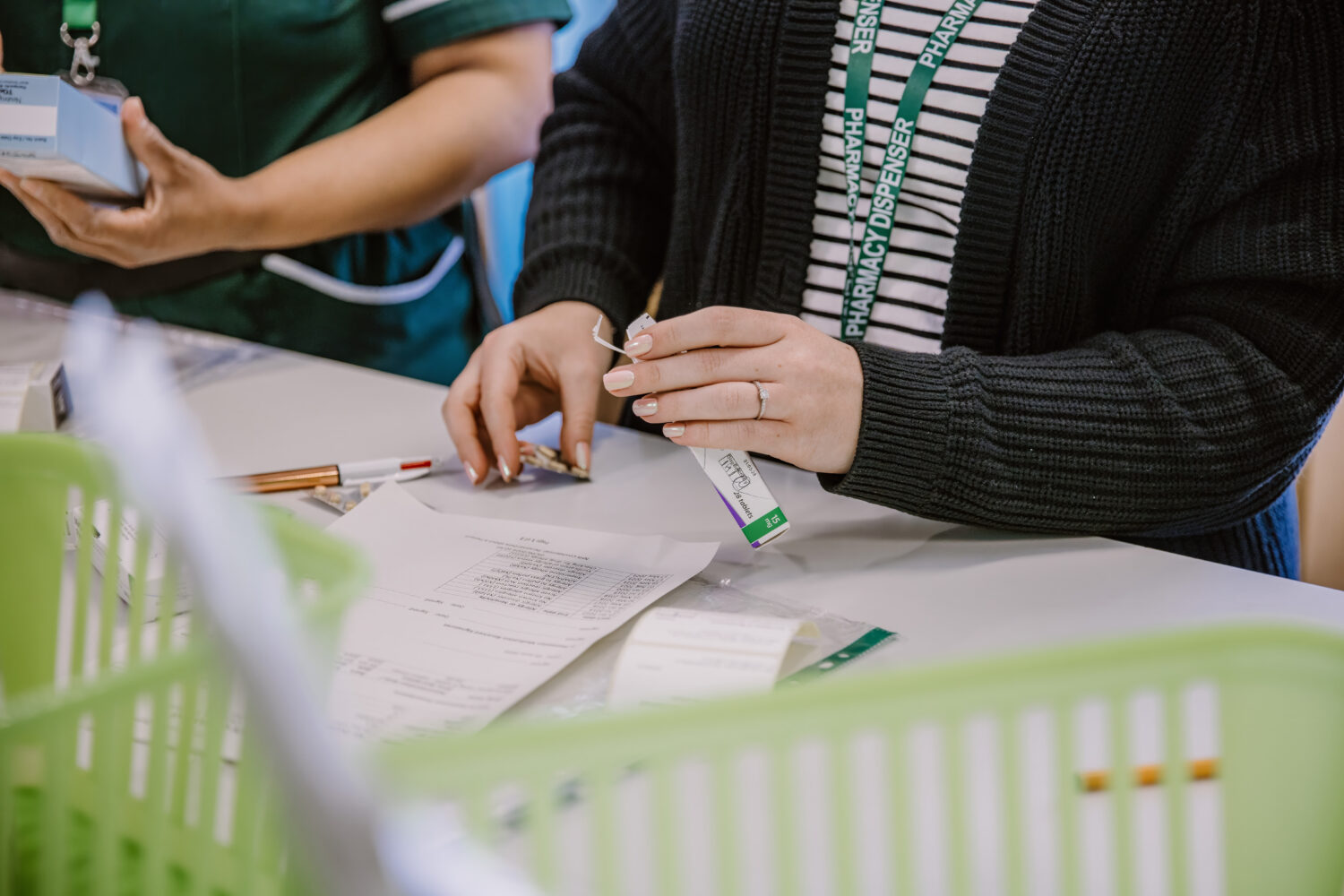
We then carried out our second round of medication for our patients. This is the second dose from the morning round, continuing to ensure they get the right medication, noting anything that arisen while distributing the medication. I then attended to any ongoing issues where appropriate after the morning brief.
2:30pm
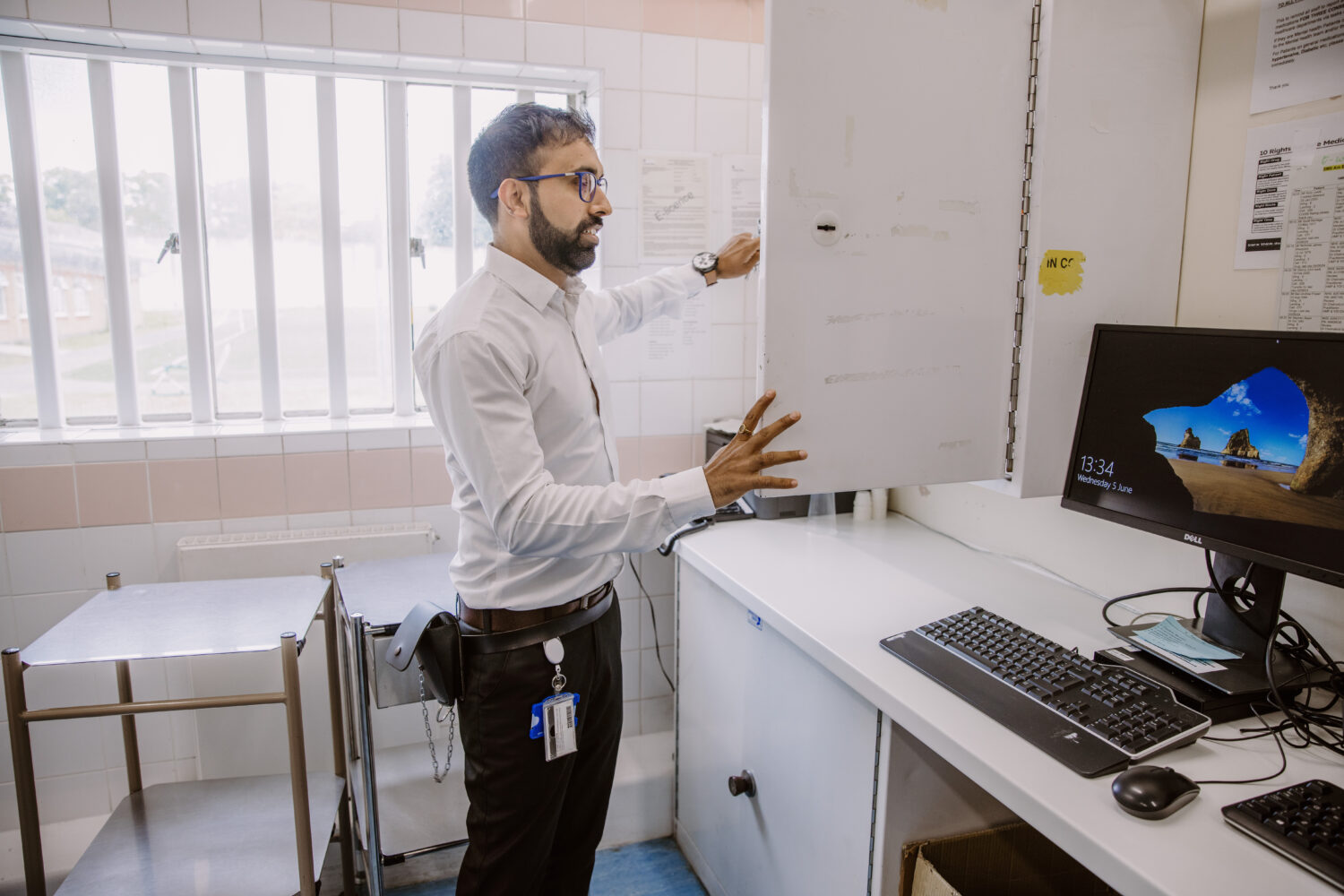
I used the prison system to run the update of the movements of the patients between the blocks. This enabled the team to transfer the medication between blocks according to the movements. I also generated the list for patients who were due to go to court, transfer, or release the next day. I then issued the list and made sure we prepared medications ready for the next day before we finished our shifts.
3:15pm
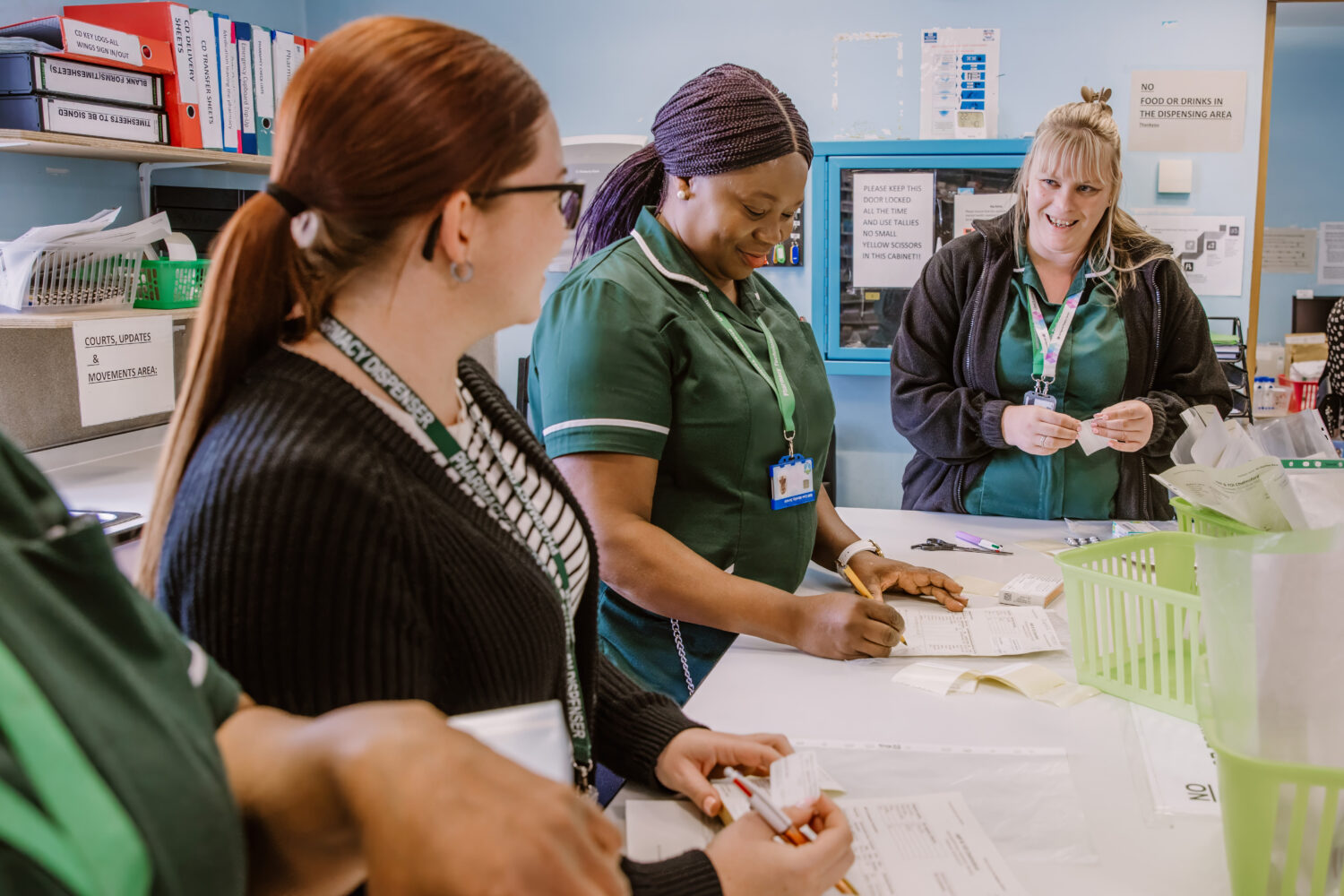
We then held our afternoon meeting. This is another debrief where again we’re working and supporting each other as a team. We discussed any issues that arose during the rounds of medication, concerns of safety for particular patients and assessed whether referrals needed to take place.
4:30pm
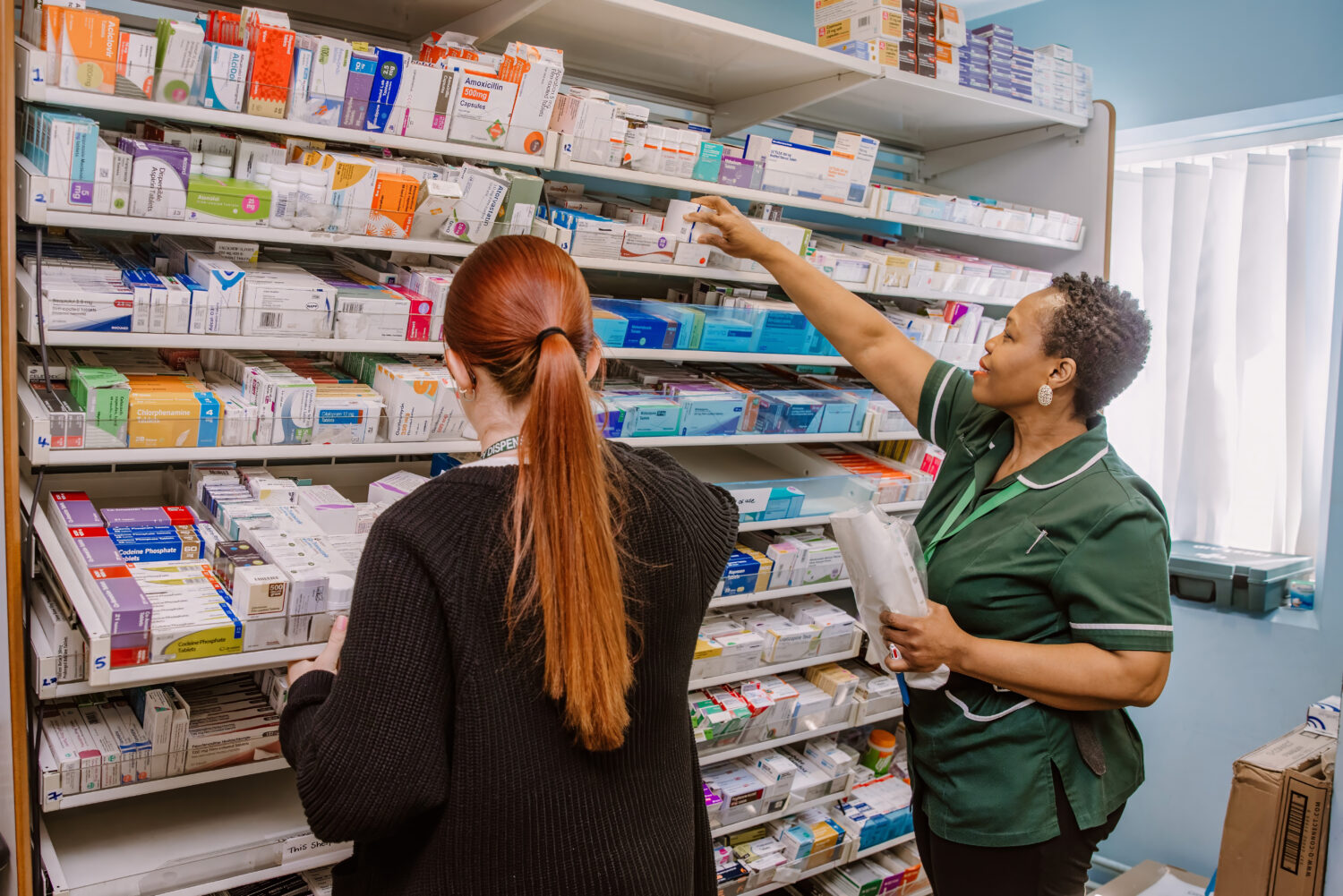
Once we’d finished the afternoon medication round, the entire team took part in preparing the medication. We do this because we have a prison system where we monitor the patients while they move blocks. So, we take all that responsibility away from the nurses and make sure those guys get their medication the next day without fail.

5:30 - 6pm
To finish my day, I caught up with any admin that didn’t get done through the day, checked and replied to emails and helped the team with dispensing and checking meds for court, transfer or release for patients leaving the following day.
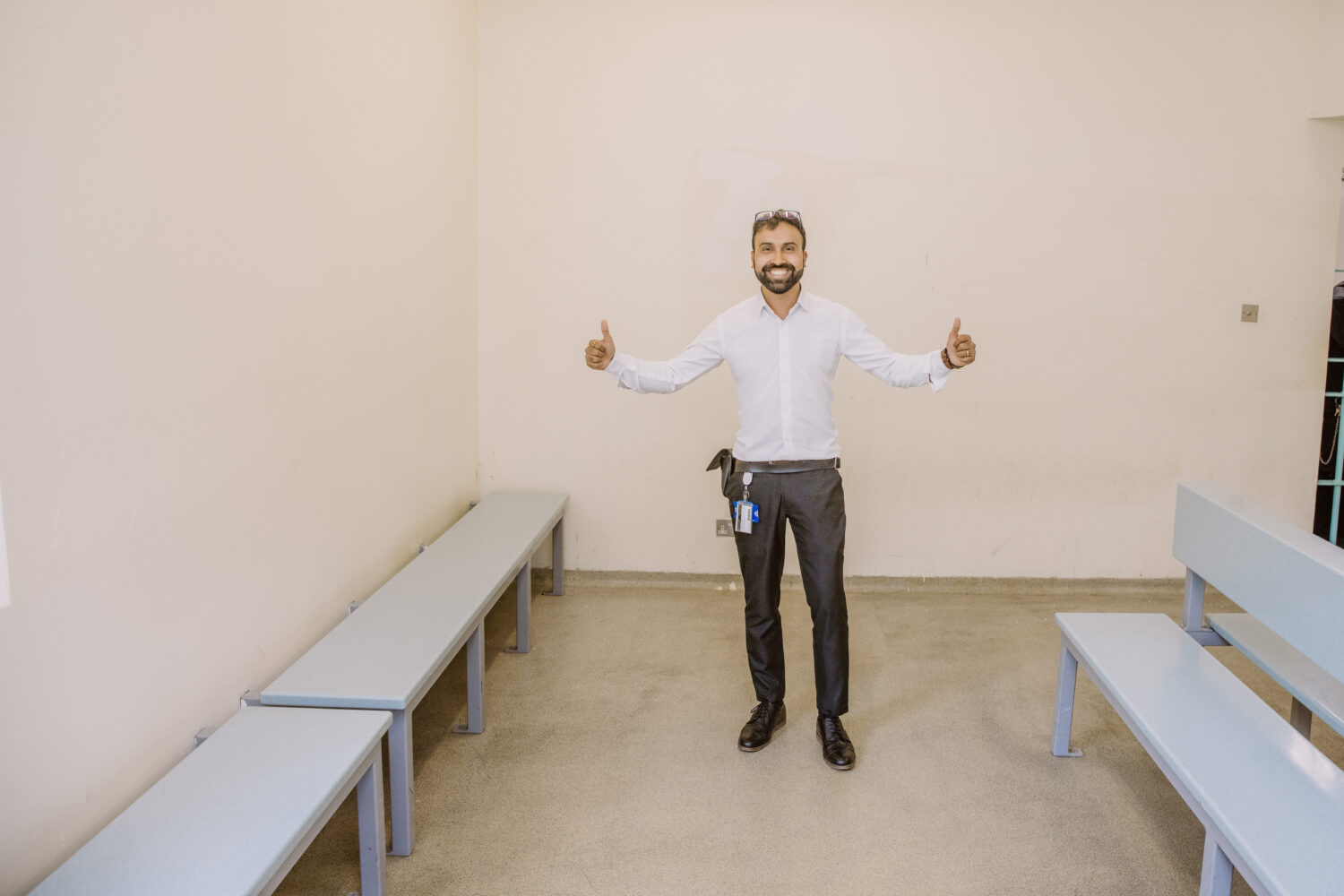
What advice would you give somebody looking to be a Pharmacy Technician?
Just to go for it. Every day will be different when working in a prison. What you are facing with the patients in the morning will be different in the afternoon; when you go from block-to-block you will learn different patient handling and interpersonal skills with the patients rather than just sitting behind a desk. It’s a remarkably interesting environment, and you’ll have a good multi-disciplinary team who you can always chat to and get support from.
Once people enter behind these walls, you feel more secure than outside because you have the prison officer, as well as health representatives on the wing to sort the medicine line. It’s a fun job and I, along with the people I have with me, love it. I’ve never heard any complaints and colleagues don’t want to work anywhere else; they want to work in a prison.
Join the Team
Click below and then search our latest vacancies by location or job type to find your next role in the team changing lives by transforming health and care.
View Our Vacancies